
Purchasing a brand new bike or scooter has evolved into a multi layered decision. Today buyers must choose not only between different brand models but also between entirely different vehicle technologies. The marketplace now sits at a intersection where traditional internal combustion engine vehicles coexist alongside rapidly advancing electric two wheelers. Making the right choice requires navigating complex specifications, understanding hidden charges, conducting thorough vehicle inspections, and leveraging digital tools designed to simplify the process.
Understanding Internal Combustion Vehicles
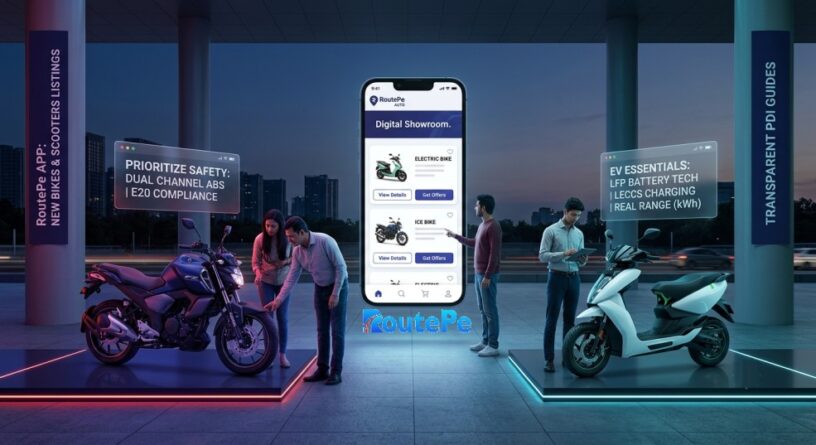
For traditional petrol powered motorcycles and scooters, essential safety hardware takes priority over superficial digital features. Features like Dual Channel ABS, combined braking systems, or traction control directly affect rider safety on wet roads or loose gravel. Emergency braking in unpredictable road conditions often means the difference between maintaining stability and losing control. Smartphone connectivity features or dynamic screen graphics may sound appealing, but they rarely contribute to basic riding safety.
Beyond active safety tech, buyers must ensure their new petrol engine aligns with current environmental standards. Verifying E20 fuel compliance and OBD2 diagnostic capabilities is essential for vehicle longevity. E20 petrol contains twenty percent ethanol. Running petrol with high ethanol content through an incompatible fuel system causes internal damage over time, including clogged fuel injectors, degraded rubber hoses, and severe engine stalling. Ensuring that the vehicle carries official E20 compliance badges guarantees the engine and fuel supply lines can handle modern fuel blends without early deterioration.
Evaluating Electric Two Wheelers
Selecting an electric two wheeler demands a completely different set of metrics. Instead of engine displacement or transmission types, buyers must prioritize battery chemistry, thermal safety, and charging compatibility over peak speed or touchscreen gadgets.
Battery chemistry plays a dominant role in real world durability. Lithium Iron Phosphate chemistry offers superior thermal stability and extended life cycles under high heat conditions compared to standard nickel based options. A robust cooling strategy, whether through proper pack ventilation or liquid cooling channels, prevents battery throttling and preserves power delivery on warm days.
Public charging infrastructure compatibility is equally critical for daily convenience. Buyers should verify if an electric scooter or bike uses standardized charging interfaces such as the Light Electric Vehicle AC DC Combined Charging System. A standardized port allows riders to access fast charging points across multiple brand networks without carrying bulky physical adapters. Furthermore, buyers should focus on total usable battery capacity measured in kilowatt hours rather than trusting optimistic certified range estimates. Official laboratory range test numbers are performed under minimal load and steady low speeds, whereas actual urban commuting typically yields twenty five to thirty five percent less distance per charge.
Mastering the Pre Delivery Inspection
Before transferring final payments or allowing a dealership to initiate permanent registration paperwork, buyers must conduct a rigorous physical inspection of the machine in natural daylight. Vehicles stored in open dealer yards can suffer environmental damage or transit harm long before they reach the buyer.
A comprehensive pre delivery inspection begins with identifying key manufacturing details. Buyers should cross check the vehicle identification number stamped on the chassis headstock pipe and engine block directly against the temporary invoice to verify the exact production period. Examining the odometer is equally vital. A reading higher than fifteen to twenty kilometers suggests the vehicle may have been used for unrecorded showroom test rides or extended transit moves.
Physical scrutiny must extend to vulnerable exterior components:
- Handlebar end weights, brake levers, mirror edges, and exhaust heat guards should be inspected for concealed scuffs or touch up paint that might indicate a transit drop.
- Alloy wheels need to be checked for tiny stress fractures or bends caused by overtightened transport straps.
- Suspension fork seals require a visual check to confirm there is no fluid seepage or oil sweating around the lower sliders.
- Drive chains on traditional bikes must be audited for rust spots and proper lubrication rather than dry metal wear.
For electric models, the pre delivery audit includes specialized digital checks. Buyers must request a diagnostic log confirming complete battery health and uniform cell voltage balance. Inspecting the portable home charger unit, checking orange high voltage cables for damage, and testing multi level regenerative braking before final sign off ensures the vehicle is entirely road ready.
Deciphering Pricing Structures and Financial Details
Navigating motorcycle quotes requires a clear understanding of pricing structures. Showroom quotations frequently lead with an Ex Showroom price, which omits critical legal costs such as multi year third party insurance, state road taxes, registration fees, and roadside assistance packages. Buyers should focus entirely on the total On Road price when comparing figures.
It is also important to identify non essential add ons. Dealers often tack on illegal logistics fees, inflated insurance rates, or overpriced basic accessory bundles like aftermarket seat covers and leg guards. Buyers have the right to request external insurance quotes online, which dealerships will usually match, and to decline mandatory basic accessory packages if genuine factory parts are available cheaper elsewhere.
The Power of the RoutePe Mobile Application
Finding accurate details, requesting quotes, and comparing modern vehicles can quickly become overwhelming when visiting individual brand dealerships. The RoutePe Mobile Application resolves this problem by bringing an entire digital showroom directly onto your smartphone.
RoutePe provides a centralized marketplace for discovering the newest motorcycles and scooters available across both electric and traditional petrol segments. Through the application, buyers gain instant access to structural breakdowns, comprehensive feature lists, clear battery metrics, and full specification suites for the latest models. Instead of relying on partial dealer explanations or fragmented brochures, RoutePe consolidates exact technical details inside clean detail screens.
Beyond browsing options, the app empowers users to take direct action on their buying decisions. Through dedicated inquiry portals inside the RoutePe app, buyers can instantly submit requests for exclusive vehicle offers, customized financing schemes, and trade in evaluations for their current two wheelers. By submitting details like preferred purchase dates and location, buyers receive structured, competitive responses directly within the platform.
Final Takeaways for Two Wheeler Buyers
Purchasing a new two wheeler represents a major personal investment. By prioritizing core hardware like dual channel ABS or advanced battery thermal management, buyers can avoid shiny distractions that offer little long term value. Performing a disciplined pre delivery inspection protects against receiving stockyard damaged units, while evaluating total on road costs keeps budgets under control.
Equipped with comprehensive technical insights and the convenience of the RoutePe Mobile Application, buyers can navigate every step of the selection process with total confidence, turning an overwhelming market search into a smooth and rewarding experience.
