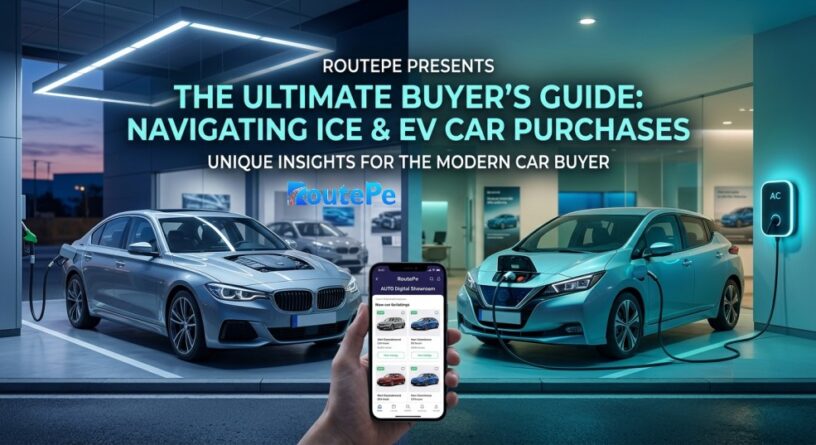

Navigating the modern automobile market requires balancing traditional mechanical reliability with cutting-edge digital management. Whether your preference leans toward an Internal Combustion Engine vehicle or a modern Electric Vehicle, making a smart investment involves understanding vehicle specifications, inspection steps, and financial breakdowns. The RoutePe Mobile Application simplifies this journey by offering a comprehensive digital showroom where users can explore options, examine specifications, submit purchase requests, and compare powertrains under one platform.
This guide outlines essential strategies for purchasing traditional fuel cars alongside electric alternatives, while showing how to leverage modern digital tools for a seamless vehicle delivery experience.
Navigating Internal Combustion Engine Car Purchases
Internal Combustion Engine Cars remain a primary choice for drivers valuing long distance flexibility and established fueling networks. However, navigating dealer options and inspecting factory units requires careful evaluation.
Factory Features vs. Aftermarket Upgrades When selecting trim levels for internal combustion cars, prioritized factory safety features always outweigh cosmetic aftermarket add ons. Features such as multiple airbags, Electronic Stability Control, and ISOFIX child seat anchors are engineered directly into the structure of the vehicle. Modifying electrical wiring later to fit aftermarket infotainment screens or auxiliary lights risks voiding official battery and component warranties.
Detecting Yard Wear and Test Drive Units Identifying whether a vehicle has spent excessive time in a dealer storage yard or doubled as a demo unit prevents buying worn inventory. Buyers should check the odometer for readings exceeding minimal transport distance (50 to 70 kilometers). Furthermore, examine tire manufacturing date codes for signs of aging beyond six months, inspect window seals for water residue, and look for micro fine scratches near door handles or driver seat cushion wear.
Evaluating Older Model Year Inventory Acquiring a vehicle manufactured in the previous calendar year can yield substantial financial savings. Dealers frequently offer major price reductions or complimentary extended warranties to clear older stock. As long as a thorough pre delivery physical check verifies liquid levels, rubber hose condition, and battery charge retention, the upfront savings often far outweigh minor resale drops years down the road.
Pre-Delivery Inspection Checklist for Fuel Vehicles Before authorizing final vehicle registration or releasing complete funds, inspect the physical car in clear daylight:
- VIN Identification: Verify the vehicle identification number on glass panels and chassis plates to confirm exact production timing.
- Bodywork Inspection: Assess body panels at low angles to spot color discrepancies, transport blemishes, or inconsistent gap spacing.
- Tire Verification: Check that all four wheels plus the spare display identical, recent production week codes matching factory equipment.
- Cabin Electronics: Operate cabin air cooling, power windows, digital driver displays, and media interfaces to confirm full function.
- Engine Bay Examination: Inspect underbody shields and engine compartments for fluid leaks, surface corrosion, or chewed wire insulation.
- Odometer Verification: Ensure total recorded distance stays within acceptable pre delivery bounds.
Managing Dealer Fees and Insurance Costs Vehicle buyers often face inflated dealer price sheets containing illegal handling charges or expensive bundled insurance plans. Reviewing itemized cost sheets allows buyers to identify unauthorized fees. Requesting external insurance quotes gives leverage, as dealerships generally match competitive third party rates to keep the transaction in house.
Ensuring Ethanol Fuel Compatibility With ethanol blended petrol widely distributed, buying a car certified for modern fuel standards like E20 is critical. Running non compliant fuel systems can cause injector clogging, rubber seal deterioration, and reduced engine power. Always confirm official manufacturer compliance certificates for updated fuel standards.
Protecting Complex Mechanical Systems Modern fuel powered cars feature intricate engine components, complex automatic transmissions, and advanced driver assistance sensors. Out of warranty repairs for electronic modules or turbocharger units can prove costly. Obtaining extended warranty coverage and roadside assistance safeguards your investment against unpredictable component failures.
Resolving Document and Registration Delays Registration bottlenecks generally happen when back end tax filings or sale certificates contain typos. Ensure official sale certificates and roadworthiness documentation are properly processed on government transport portals. Matching engine numbers and chassis stamps line by line against sales invoices prevents costly registration holds.
Focusing on True Cost Breakdown The headline showroom price rarely reflects total expenditure. Ex showroom rates exclude state road taxes, registration fees, mandatory insurance coverages, and mandatory road transit tags. Evaluating total on road expenditure ensures clear financial planning while avoiding optional dealer accessory kits.
Final Handover Protocols During final vehicle handover, confirm that paper invoice numbers align precisely with metal chassis engravings. Verify active toll tag activation, collect initial roadworthiness certificates, and ensure written fuel system compatibility docs are included in your warranty book prior to driving home.
Navigating Electric Vehicle Car Purchases
As clean mobility expands, purchasing an Electric Vehicle Car presents a distinct set of priorities focused on battery chemistry, charging capabilities, and digital connectivity.
Prioritizing Battery Health and Thermal Systems When evaluating electric cars, battery chemistry choices like Lithium Iron Phosphate (LFP) or Nickel Manganese Cobalt (NMC) along with active liquid cooling systems matter far more than quick acceleration numbers. Liquid thermal control keeps battery cells within safe temperature ranges during hot weather driving, preventing rapid cell degradation and maintaining consistent highway range.
Identifying Battery Storage Degradation Electric vehicles left sitting at complete zero charge or continuously plugged into fast chargers for extended periods in dealer yards suffer permanent cell capacity loss. A healthy new electric car displayed for delivery should show a storage charge level between 30% and 60%, balanced cell voltages, and a clean diagnostics log confirming maximum state of health.
Buying Previous Year Electric Models Selecting a previous year electric model remains a smart financial move if battery health is verified. Requesting a diagnostic report from the dealer confirming optimal cell balance guarantees performance integrity. Ensure that the multi year traction battery warranty begins on your personal handover date rather than the initial factory dispatch date.
Pre-Delivery Inspection Checklist for Electric Vehicles Inspecting an electric car requires focused evaluation of high voltage systems and software setups:
- Charging Gear Audit: Inspect included portable home chargers and wallbox charging hardware to ensure cable connectors and wall plugs are undamaged.
- Underbody Shield Inspection: Examine the protective skid plates covering the battery pack beneath the chassis for scrape marks or impact dents.
- Software Version Verification: Power on central infotainment displays to ensure internal control software is updated without pending warning codes.
- High-Voltage Cabling Checks: Inspect bright orange high voltage wiring harnesses under the front hood area for insulation damage or rodent marks.
- Regenerative Braking Testing: Confirm that multi level regenerative braking options switch smoothly during low speed lot maneuvers.
- Odometer Logs: Verify that delivery distance metrics remain minimal.
Factoring In Total Ownership Expenses While electric cars benefit from lower taxation rates, buyers must plan for potential home electrical panel upgrades or long charging cable extensions. Additionally, review telematics subscription terms after initial trial periods and verify active state road tax waivers.
Fast-Charging Performance and Standards Intercity convenience relies on supported peak DC fast charging speeds and standard combined charging system connector compatibility. Understanding your car’s charging curve between 10% and 80% capacity allows for efficient trip planning using public fast charger networks.
Covering Power Electronics While main traction batteries carry long manufacturer warranties, secondary power electronics like onboard chargers, motor controllers, and voltage converters often follow standard vehicle warranty periods. Purchasing extended vehicle coverage protects these expensive electronic components against unexpected component failures.
Approval Timelines for Charging Setup Delivery halts can occur if green registration filings display incorrect motor power figures. For multi family residential buildings, securing formal housing society approvals for dedicated wallbox charger installation well before vehicle arrival prevents charging delays.
Evaluating Practical Driving Range Certified test cycle range figures often paint an overly optimistic picture due to low speed laboratory testing. Real world range varies based on cabin air conditioning, passenger weight, and highway speeds. Evaluating total usable kilowatt hour capacity provides a more realistic measure of everyday driving range.
Completing Digital Handover Procedures During electric car delivery, cross check portable charger serial numbers against official invoices. Ensure dealer representatives link your vehicle identification number to your smartphone telematics app for live charging updates. Finally, collect bundled charging network access keys and inspect emergency tire puncture repair kits before departure.
Streamlining Vehicle Discovery via RoutePe Mobile App
Whether choosing an internal combustion vehicle or an electric car, modern buyers no longer need to rely on disjointed dealership visits and paper brochures. The RoutePe mobile app offers an integrated digital showroom experience designed to streamline discovery, comparison, and booking directly from your smartphone.
+-------------------------------------------------------------------+
|                           RoutePe AUTO                            |
|                        Digital Showroom                           |
+-------------------------------------------------------------------+
|  [ ALL ]                [ EV ]                [ ICE ]             |
+-------------------------------------------------------------------+
|  [ Search brand, model, range...                            ]     |
+-------------------------------------------------------------------+
|  +-------------------------------------------------------------+  |
|  | [ELECTRIC CAR / ICE CAR]                                    |  |
|  |                                                             |  |
|  | Vehicle Image Preview                                       |  |
|  |                                                             |  |
|  |-------------------------------------------------------------|  |
|  | Vehicle Name                                      ₹ Price   |  |
|  | Variant Code                                                |  |
|  |                                                             |  |
|  | [ STAT 1 ]  [ STAT 2 ]                                      |  |
|  | [ STAT 3 ]  [ STAT 4 ]                                      |  |
|  |                                                             |  |
|  | [ View Details ]               [ Get Offers ]               |  |
|  +-------------------------------------------------------------+  |
+-------------------------------------------------------------------+
Key Features of the RoutePe Mobile App:
- Powertrain Filtering: Easily toggle between ALL, EV, and ICE listings using dedicated category buttons to focus strictly on your preferred vehicle type.
- Real-Time Search: Search specific vehicle models, brand names, or performance parameters directly using the built in search interface.
- Detailed Technical Specifications: Selecting “View Details” opens structured modal windows highlighting key specifications, vehicle dimensions, safety feature lists, and engine or battery details without clutter.
- Direct Dealership Quotations: Tap “Get Offers” to open a streamlined request form. Input your purchase timelines, location, trade in preferences, and financing requirements to receive personalized quotes directly from brand authorized dealers.
- End-to-End Transparency: By connecting buyers directly with certified dealerships, RoutePe ensures transparent pricing while safeguarding official manufacturer warranties and roadside assistance programs.
Combining thorough physical pre delivery inspection routines with the digital convenience of the RoutePe mobile app puts buyers in complete control. From evaluating vehicle specifications to finalizing delivery paperwork, taking a structured approach guarantees a confident and well informed new car purchase.
